Technology recruitment. It’s what we know.

How does your salary/rate stack up to the market?
Accurate salary data is essential for making informed hiring decisions. This report provides the latest market benchmarks, highlights emerging skill trends, and explains why clear career paths matter more than ever. Download the full report to stay ahead.
How does your salary/rate stack up to the market?
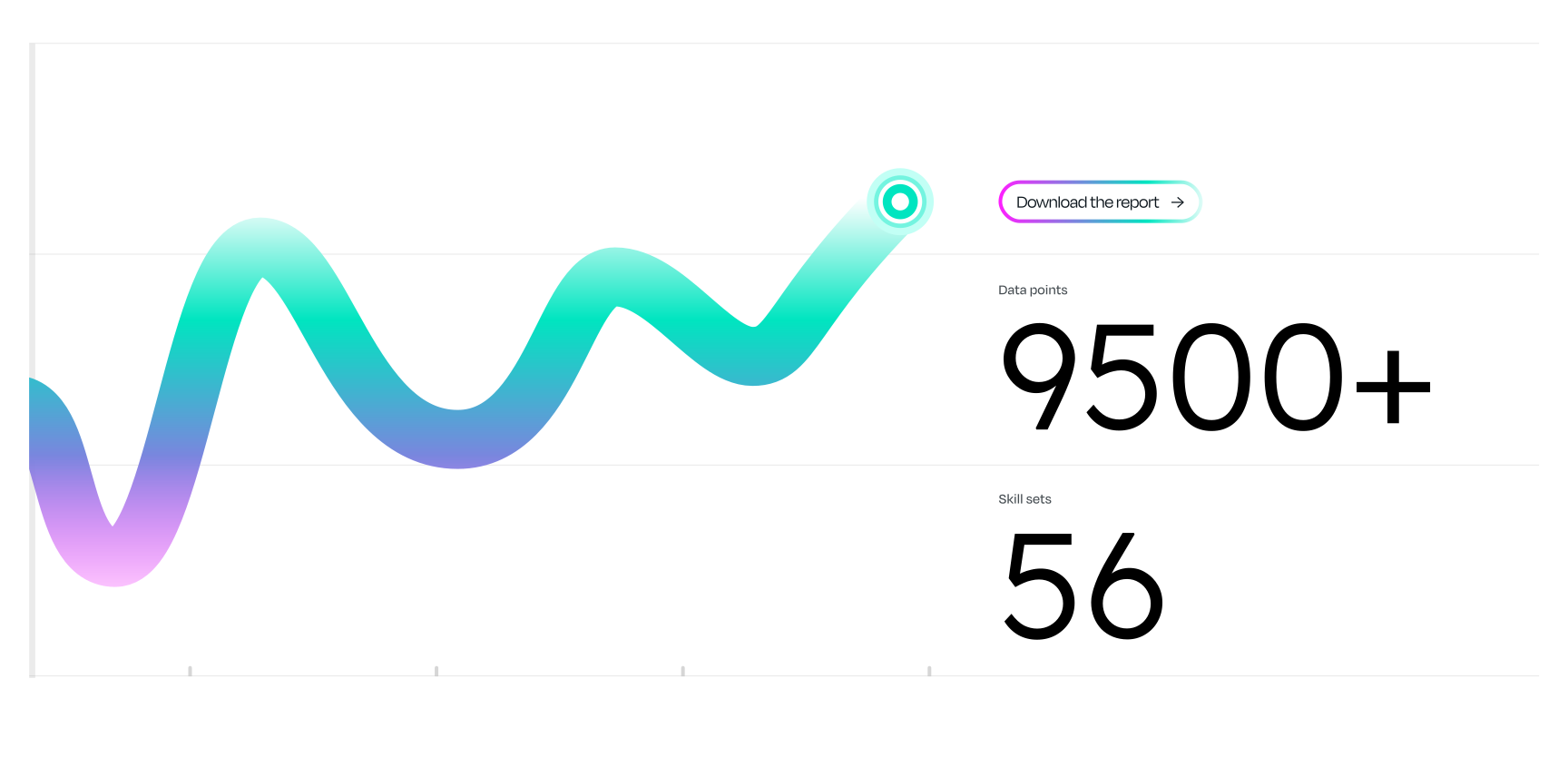
Gen Z is changing Aotearoa’s tech workforce. They want career growth, meaningful work, and salary transparency, but keeping them is not easy. Our Comp Report 2025 breaks down salary trends, skill gaps, and what really drives retention, backed by 18,000+ data points, making it the most comprehensive agency report available.
Accurate salary data is essential for making informed hiring decisions. This report provides the latest market benchmarks, highlights emerging skill trends, and explains why clear career paths matter more than ever. Download the full report to stay ahead.
Kia ora! We’re Potentia


Everything we do is for our communities
FAQ
Software engineer salaries reflect current demand for talent and skills. Currently, the median salary for a Senior Software Engineer in New Zealand is NZ$130,000 per year, depending on experience and environment.
We compile local salary trends in our compensation report so you’re up to date on how market demand is influencing Software Engineer salaries year on year.
A recruitment agency is most valuable when hiring requires more than advertising and screening applicants. This includes situations where market conditions are uncertain, the skill set is niche, or access to passive candidates is necessary.
In the New Zealand tech market, the talent pool is relatively concentrated and many experienced professionals are not actively applying for roles. Agencies with established networks can access candidates who are open to the right opportunity but not visible through job boards.
For permanent roles in New Zealand, recruitment agency fees typically range from 15 percent to 25 percent of the candidate’s first year base salary. The exact figure depends on the seniority and complexity of the role, how competitive the market is, and the level of involvement required.
For contract positions, agencies usually apply a markup to the contractor’s hourly or daily rate. This markup covers the cost of sourcing, payroll, compliance, and ongoing management for the duration of the contract, as well as the agencies profit margin.
In New Zealand, a common estimate is that a bad hire costs at least 30 percent of the employee’s annual salary. In many cases, the true cost is closer to six to nine months of pay once lost productivity, rehiring time, and management distraction are considered. For example, if a role pays NZ$140,000 per year, the cost of a bad hire can range from roughly NZ$40,000 to over NZ$100,000.
The financial impact is not just salary. It includes recruitment costs, onboarding time, team disruption, missed delivery targets, and the cost of restarting the hiring process.
In today’s market, the median salary for a Senior Business Analyst in New Zealand is NZ$122,000 per year in a permanent role and NZ$120 per hour as a contractor. What makes the difference is not just years of experience, but the type of problems being solved. Analysts who operate in niches, close to senior stakeholders or across major system change tend to command stronger packages.
For a clearer picture of where the market is moving, including recent shifts in demand, see our latest compensation report.